What Causes Bullying? Understanding the Roots of Bullying
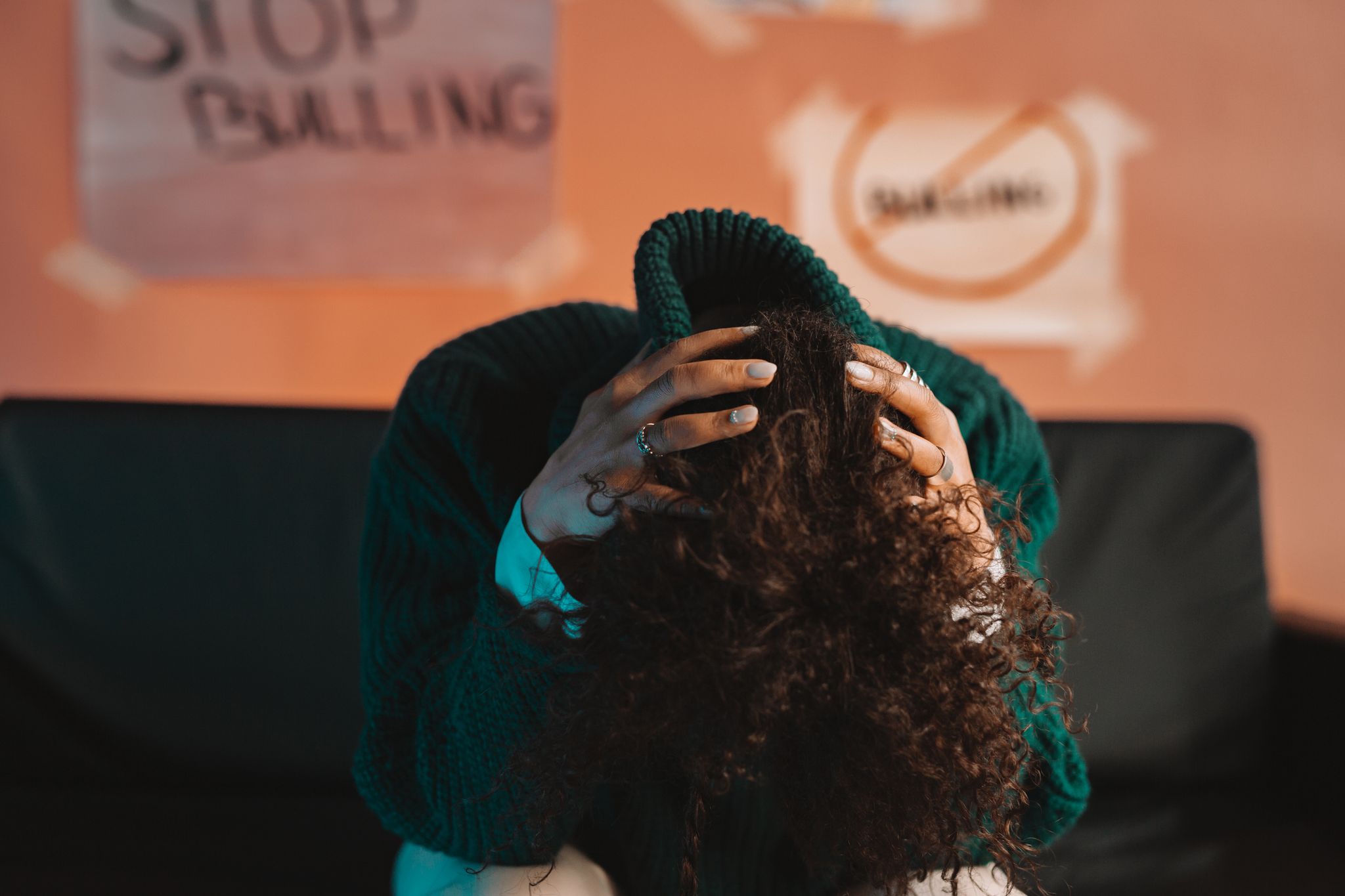
When bullying happens, our first concern is usually stopping it and making sure the student being targeted is safe. That has to come first. But once the immediate situation has been addressed, there’s another question worth asking: Why did the bullying happen in the first place?
There isn’t one simple answer. The causes of bullying can look very different from one student to another, and understanding what sits behind the behavior can help us respond in a way that does more than stop one incident.
Bullying Usually Has Something Behind It
Students don’t suddenly start bullying other people for no reason.
Sometimes a child is looking for status or approval from their peers. In another situation, a student may be copying behavior they’ve seen at home, online, or among other students. A child who feels powerless elsewhere may discover that intimidating someone else gives them a sense of control.
There are also students who simply haven’t developed better ways to deal with conflict, frustration, or strong emotions.
None of these reasons excuse bullying. They do, however, give adults more information about what needs to change.
If we only tell a student to stop, we may end the behavior while an adult is watching. We haven’t necessarily changed what led to it.
Look at What the Student Is Getting From the Behavior
One useful question is: What is this behavior doing for the student?
Maybe bullying gets a laugh from their friends. Perhaps it gets them attention, helps them feel powerful, or keeps other students from targeting them first.
Once you understand what the student is getting from the behavior, you can start helping them find a different way to meet that need.
This is also why the same response won’t work for every child. A student trying to impress friends may need something very different from a student who lashes out whenever they feel embarrassed or threatened.
Consequences Are Only Part of the Response
Consequences can be necessary, especially when another student has been harmed. But a consequence on its own doesn’t automatically teach a child what to do differently.
That’s where adults have an opportunity to go further.
Talk with the student about what happened before the incident, what they were thinking at the time, and what they could do if a similar situation happens again. Over time, those conversations can help students recognize their own patterns instead of simply being told that their behavior was wrong.
Understanding the causes of bullying isn’t about letting students off the hook. It’s about figuring out what needs to change so the same behavior doesn’t keep happening.
Stopping an incident matters. Understanding why it happened gives us a better chance of stopping the next one.