Bullies Aren’t “Bad Kids”: Understanding Bullying Behavior
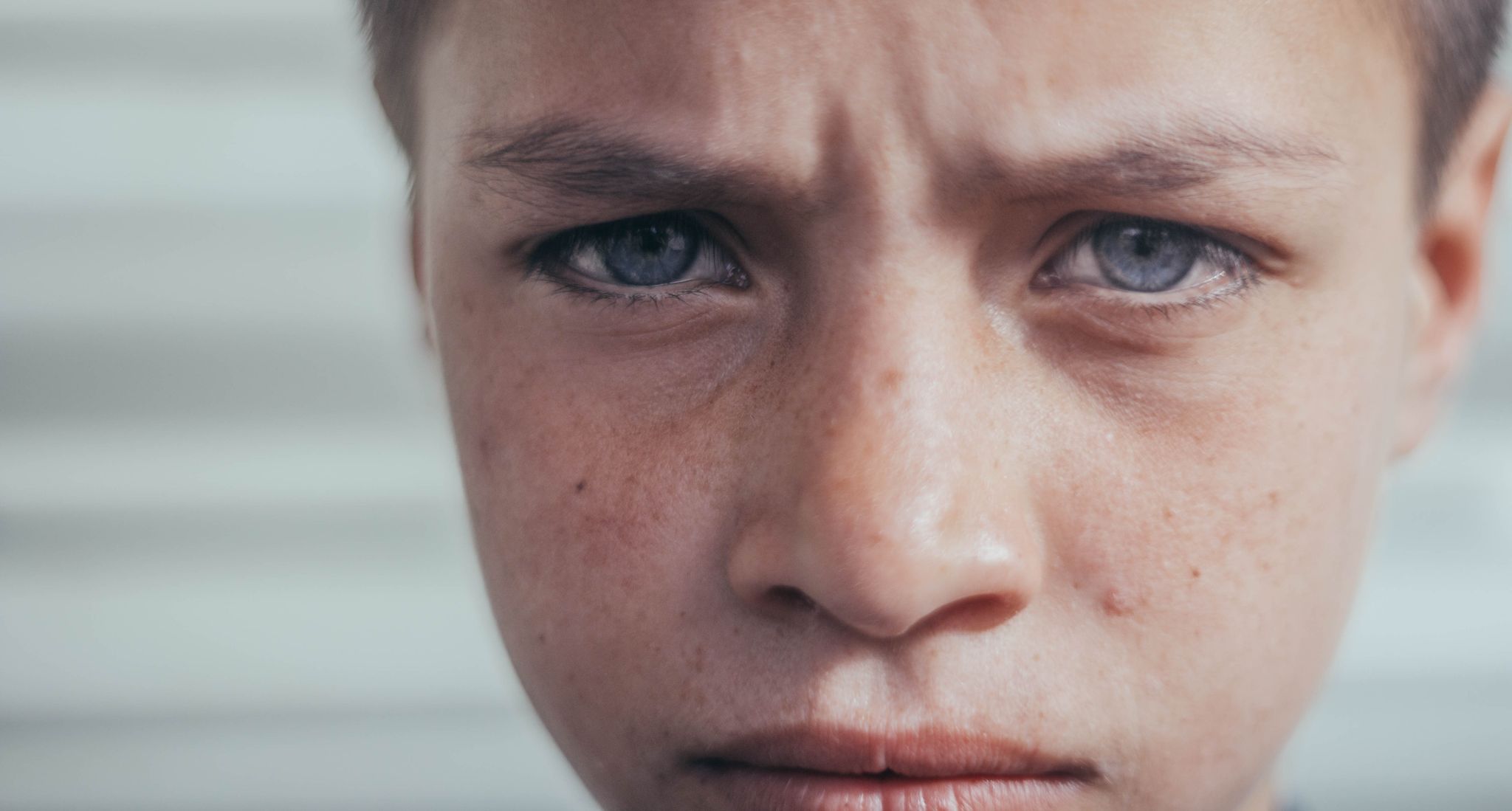
When a child repeatedly hurts, intimidates, or excludes other students, it can be difficult to separate what they’re doing from who they are. Before long, they become known as “the bully” or the “bad kid,” and every new problem seems to confirm what everyone already thinks about them.
But bullying behavior is exactly that: behavior.
That distinction doesn’t make the behavior less serious, and it doesn’t mean a child shouldn’t face consequences when they hurt someone. It does, however, leave room to ask an important question: why is this happening?
What Is Behind the Behavior?
Children bully for different reasons, which is why responding to the behavior without understanding what is driving it can only take us so far.
A child may be repeating behavior they’ve seen elsewhere or trying to gain some control in a situation where they usually feel powerless. For another student, bullying may earn attention or acceptance from a group.
Sometimes we won’t know what’s going on until someone takes the time to ask.
Understanding the reason doesn’t excuse the behavior. A student can be struggling and still be responsible for hurting someone else. Both things can be true, and both need our attention.
Accountability Doesn’t Have to Mean Shame
When a student has bullied someone, they need to understand the effect their actions had. They may also need consequences, depending on what happened.
But there’s a difference between telling a child, “What you did hurt someone,” and sending the message, “You’re a bad kid.”
One focuses on something the student can change. The other turns the behavior into part of their identity.
If we want students to make better choices, they need to believe that making a different choice is actually possible. Shame can get in the way of that, particularly when a child already feels that teachers or classmates have decided who they are.
Give Students Something to Do Differently
Telling a child to stop bullying doesn’t necessarily teach them what to do the next time they’re angry, embarrassed, jealous, or trying to impress their friends.
That’s where the work really begins.
Help the student look back at what happened and recognize the point where they could have made a different choice. Talk about how they could respond the next time a similar situation comes up. Depending on the student, that may also mean working on how they handle conflict, communicate with peers, or manage strong emotions.
Changing bullying behavior takes more than stopping an individual incident. We need to help students understand their own behavior well enough to recognize it before the same pattern happens again.
A Child Is More Than Their Worst Behavior
It can be difficult to remember this when a student has caused real harm, especially when the same behavior keeps happening. But calling a child a “bully” doesn’t tell us what caused the behavior, and it doesn’t tell us what will help change it.
We can protect the student who has been hurt, hold the other student accountable, and still refuse to define either child by what happened between them.
Ultimately, that’s what we want: not simply for the bullying to stop today, but for the student to understand enough about their own choices to behave differently tomorrow.