What Happens When Every Classroom Has Different Expectations?
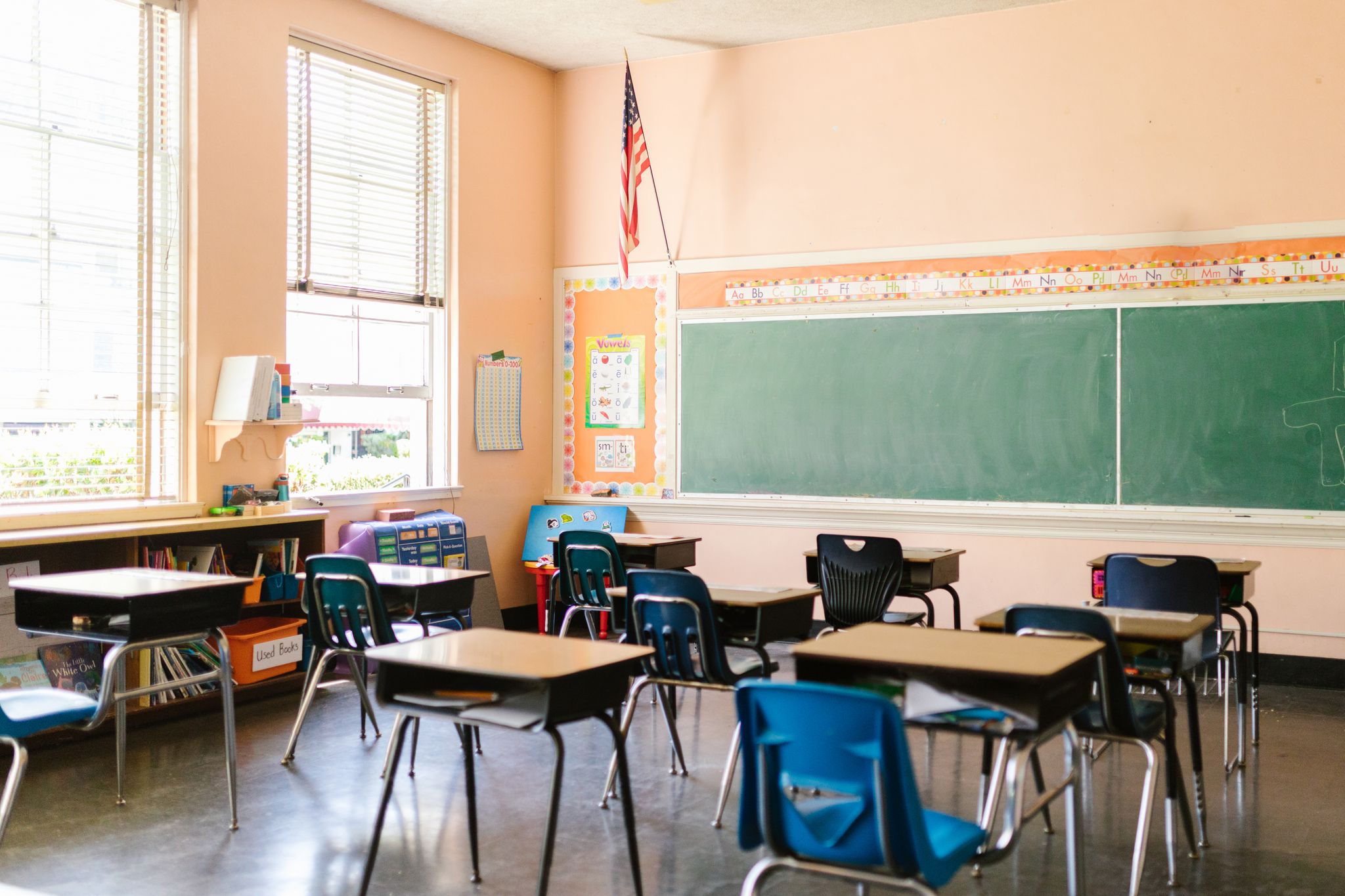
A student walks into one classroom and hears, “We speak with kindness here.” Later that day, they’re told, “If it’s not bad enough to send you to the office, just deal with it.”
It might be the same school and the same day, but to a student, those messages can feel like they come from two completely different places.
When expectations change from one classroom to the next, students are left trying to figure out which version of the rules applies. One teacher may encourage them to speak up when something feels wrong, while somewhere else they learn that the same behavior isn’t serious enough to mention.
After a while, it becomes difficult to know what the school actually expects from them.
Consistency Doesn’t Mean Every Classroom Has to Be the Same
Every teacher has their own way of running a classroom, and that’s a good thing. Consistent classroom expectations aren’t about asking teachers to use the same words or respond to every situation in exactly the same way.
The important part is making sure the underlying message doesn’t change.
If respect is something your school says it values, students should have a reasonably clear idea of what that means wherever they are. The same goes for how the school approaches bullying, exclusion and other harmful behavior.
Students shouldn’t have to figure out a completely new set of expectations every time they walk through another classroom door.
Give Staff Something to Come Back To
A shared framework can help, particularly when staff have a clear understanding of how it applies to everyday situations.
It doesn’t need to be complicated. In fact, something teachers can easily remember and refer back to is far more likely to become part of the school day than a lengthy policy that rarely gets discussed.
Our 12 Ways to Act With Respect program, for example, gives schools a shared way to talk about respect throughout the year. Teachers can adapt the conversations for their own students while still reinforcing the same ideas as the rest of the school.
That repetition matters. Students begin hearing familiar language in different places, from different adults, and the expectations become easier to understand.
Make Sure the Message Leaves the Poster
Most schools already have values displayed somewhere. You can probably find words like “respect” or “kindness” on a hallway wall, in a handbook or on the school website.
The harder part is making sure students recognize those values in what actually happens around them.
Bring them into conversations when problems come up. Talk about them with staff when there’s uncertainty about how to handle a situation. Revisit them throughout the year rather than assuming everyone still remembers what was discussed in September.
Students notice when adults respond differently to the same behavior. They also notice when the adults around them seem to agree about what matters.
Your classrooms don’t need to feel the same. But students should be able to walk from one to another without wondering whether the values of their school have changed along the way.