Students Not Engaging in SEL? Try a Different Approach
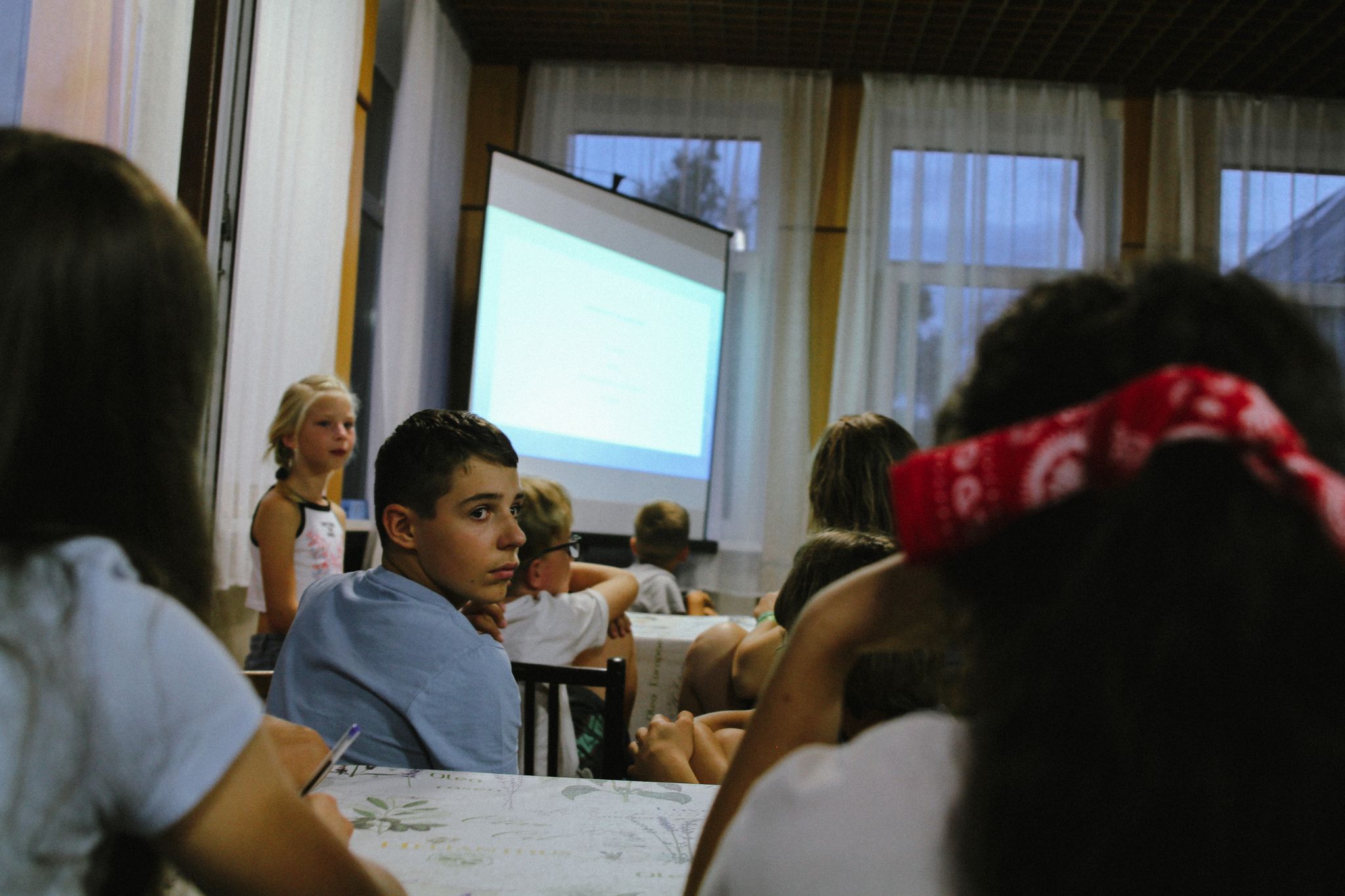
Do you have students who seem to shut down the moment an SEL lesson begins? Maybe you notice an eye roll, or they slump a little deeper into their seat. Before long, you can tell their mind is anywhere but in the room.
When students aren’t engaging in SEL, it’s easy to assume they simply don’t care about the lesson. But what looks like disinterest can have a lot more behind it.
A student dealing with bullying or ongoing conflict may already have their attention somewhere else. If they’re worried about what happened at lunch or what might happen when they leave the classroom, asking them to sit down and talk about relationships or conflict can be difficult.
For some students, pulling away can also become a habit. They’ve learned that disengaging is easier than joining a conversation that feels uncomfortable or too close to something they’re dealing with themselves.
When Talking About It Isn’t Working
SEL often asks students to talk about situations they may not be ready to discuss openly. Even when the lesson isn’t about them personally, sitting through another conversation about bullying, conflict or relationships may be the last thing they want to do.
That’s when changing the way students participate can help.
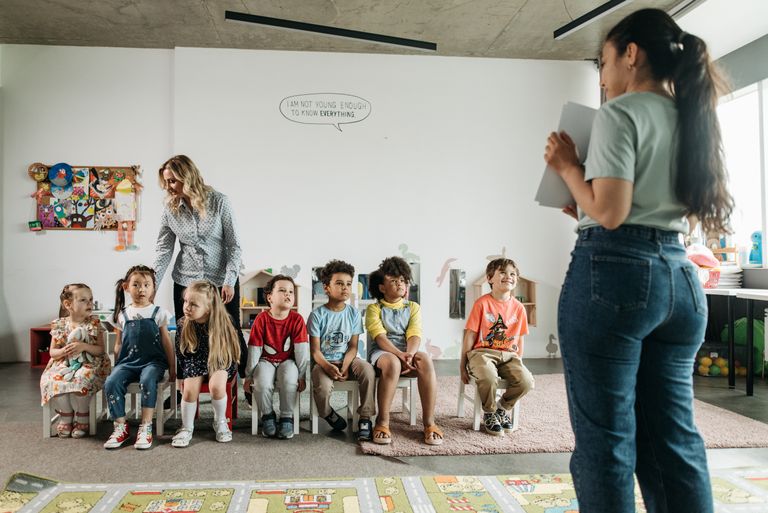
Instead of spending the entire lesson talking, give students a chance to get up and do something with what they’re learning. Roleplay can let them work through a conflict without having to talk about their own experiences. An activity can also make it easier for a student to join in without feeling like everyone is waiting for them to share something personal.
The point isn’t simply to make SEL more entertaining. It’s to give students another way to engage with ideas that can sometimes be difficult to talk about.
Pay Attention to How Students Respond
If the same students continually check out during SEL, take a closer look at the format you’re using. They may be telling you, without actually saying it, that this particular approach isn’t working for them.
That doesn’t mean abandoning the lesson or deciding they’re not interested. Try changing how you’re asking them to participate and see what happens.
Not every student is going to respond to SEL in the same way. Sometimes a student who appears completely uninterested just needs a different way into the conversation.