How Your Thoughts Shape Your Behavior
How much of the way we behave comes from what’s happening right now, and how much comes from everything we’ve experienced before?
In this episode of the Bully Proof Your Child podcast, we read Chapter 7 of Dr. Terrence Webster-Doyle’s Why Is Everybody Always Picking on Me? A Guide to Handling Bullies. The chapter starts with the idea of a “pecking order” and asks us to consider how often we see similar patterns in our own lives.
From a young age, we pick up ideas about what it means to be successful and where we fit in compared with other people. We also carry memories of how we’ve been treated, particularly the experiences that have affected the way we see ourselves. Over time, those ideas can influence our thoughts and behavior without us necessarily realizing where they’re coming from.
The chapter asks young people to become more aware of those patterns rather than simply accepting them. If a student has spent years believing they’re not smart, for example, how might that belief affect the way they approach school today? If success has always been presented as getting ahead of someone else, what does that teach them about competition and cooperation?
These are big questions, but they bring the conversation about bullying into a different place. Instead of looking only at what someone did, we can begin looking at the beliefs and past experiences that may be influencing their choices now.
The second half of the episode explores how students can begin recognizing negative thoughts without letting those thoughts determine what happens next. Becoming aware of the way we think doesn’t mean the past suddenly disappears, but it can give us a chance to respond differently rather than continuing the same patterns.
Podcast Transcript
Awareness Is Everything When Preventing Bullying
Today, I’m reading Chapter 7 in our book, Why Is Everybody Always Pecking on Me? A Guide to Handling Bullies. This book is written by Dr. Terrence Webster-Doyle and Chapter 7 is called Awareness Is Everything.
What Is a Pecking Order?
Do you know what a pecking order is? The phrase is derived from the lifestyle of chickens. When the toughest chickens assert their authority over the weaker ones, they actually peck them into submission.
We humans have our own means of establishing a pecking order, from the subtle violence of kids using verbal threats to one nation challenging another. Do you see people in your school or neighborhood working to become successful? What does being successful mean to you?
Is it getting the friends you want? Having the newest phone, fashionable clothes, or state-of-the-art equipment? Being healthy? Being a loving, caring person? Getting along with other people? Contributing to world peace?
How We Define Success
We learn the meaning of success from adults.
They learned about success from adults when they were children, and now we learn it from them. There are different meanings for success. For some people, it’s having millions of dollars. For others, it’s living a healthy life.
Many people associate success with winning, being right, or getting to the top. In order to achieve this kind of success, people sometimes compete with others in conflicting ways or say one thing and do another.
When Competition Becomes Harmful & Hypocrisy in the World Around Us
Competition that is friendly and cooperative doesn’t hurt anyone. However, competition that is hostile can hurt everyone. We can also be hurt by people who say one thing and do another.
These people are called hypocrites. For example, someone who says, “Be gentle and cooperate,” and whose actions are hostile and competitive is a hypocrite. Our world today is hypocritical.
It says, “Don’t be a bully. It’s not nice. It’s not good.”
But many people are bullies and earn money, power, and honor for the bullying they do. There are some lawyers who dress in expensive suits and advise their clients to lie: “Say what I tell you to say, and we’ll get you off easy.”
There are some doctors who wouldn’t take some of the pills they prescribe, but they say, “Take this medicine. It may have a few minor side effects, but it’ll kill the pain.”
There are some real estate brokers who try to sell a home they know has problems. They insist, “You’d be crazy not to grab this house.”
Why We Need Cooperation Instead of Competition
We don’t need destructive competition in our world today. We need cooperation.
If we truly want cooperation, we need to stop being bullies. We need to learn how to deal non-violently with bullies, and we need to take a hard look at how we are living our lives. We can make a good living financially and live sane and healthy lives without being bullies, and wind up healthier and happier.
Stepping Outside the Pecking Order
Being aware of a human pecking order is a first step in not getting caught up in it. There are many creative, exciting, and rewarding careers and ways to be in this world without becoming a bully or getting involved in a pecking order.
Talk about these with your friends and family. This could be a good topic of discussion at one of your family or school’s talk times.
It’s generally accepted in the world today that violence, competition, attaining success, dominance, and power are good things, heroic ideals. When you come into this world, this view is already well in place.
You Don’t Have to Live This Way
Therefore, you may have come to accept this as normal and natural, but that doesn’t mean it is. Although you live in a competitive, violent society, you do not have to live your life that way.
How Your Thoughts Shape Your Actions
What you think and feel represents who you are. Your thoughts and feelings are reflected in your actions. If you have positive thoughts and feelings, you will act in a positive way.
If you have negative thoughts and feelings, you will act in a negative way. How you think and feel, and therefore how you act, depends on you and your attitude.
How Past Experiences Shape Your Thinking
In school, you learn subject matter information such as math, history, and geography. Your brain remembers that 10 times 8 equals 80, and that Columbus came to America in 1492.
In addition to that kind of information, your brain also remembers thought and feeling information, such as painful and pleasurable events. If, for example, you broke your brother’s bike and were punished harshly for it, perhaps your parents told you that you were bad or no good.
You Are What You Remember
Memories of that incident are stored away in your brain, along with other images from past experiences. If you go through life and experience hurt, your brain stores these memories. This accumulation of past experiences of hurt, anger, and frustration contributes to negative attitudes, which are part of who you are.
Have you heard people say that you are what you eat? Well, in this case, you are what you remember.
How Negative Beliefs Are Formed
Sometimes our minds play tricks on us. We think to ourselves, “I feel hurt, so I must deserve being hurt. I feel bad, so I must be bad.” If you’ve ever thought this way, you’re not alone. All of us have past experiences that cause us to have negative beliefs about ourselves.
Breaking Free From Negative Thinking
Here’s a story from my own life. When I was young and in school, I had an image of myself as being stupid, and it hurt.
Because I wasn’t a good student and wasn’t getting high grades, my friends and teachers had an image of me as a bad student and not very smart. In high school, a college counselor even told me that I would never get into college. I began to believe the opinions others had of me.
This negative image became a belief and affected how I saw myself and the world. I believed that I was bad because others told me so. Slowly, I began to replace this negative information I had stored from the past with new information from my own observations and experiences of myself.
And by the way, I went to college and received a doctorate degree in psychology and also taught at college. See what happens when you free yourself from negative thinking?
Can you think of anything that happened to you in the past that causes you to think negatively about yourself? What is it?
Turning Negative Thoughts Into Positive Ones
So let’s talk about how you can turn negative thoughts into positive thoughts. If yesterday’s experiences of pain dwell in your mind, these experiences will affect the way you relate to other people today.
Learning to Observe Your Thoughts
When you find yourself thinking negative thoughts about yourself, recognize that these negative thoughts and feelings are happening to you and just allow the negative or bad thoughts and feelings to be there. Don’t judge them. Don’t do anything about them.
Just let them be there and look at them. Talk about your negative thoughts and feelings with someone you trust. It’s important to pick someone, even if you feel scared about trusting anyone.
Look at these thoughts and feelings and notice that they have to do with the past and need not interfere with who you are now. Focus on the things in your life that are good instead of on past hurts. Start with one good thought, then let others come into your mind.
Replacing Negative Thoughts With Positive Ones
Substitute truthful, positive thoughts and feelings about yourself and your special talents. Everyone has something to offer. Think about it.
What’s your special something?
Letting Go of the Past to Become the Person You Want to Be
Life doesn’t judge you. You do. Life doesn’t hold on to what hurt you yesterday. Your mind does. Life is new and fresh every moment. Your thoughts are old and from the past.
The wonderful thing about living is that life is always forgiving. Knowing this, you can be responsible for who you are now. You can be the person you want to be now.
The only thing holding you back is you. So remember to understand your negative thinking. See your real gifts. Think helpful, positive thoughts.
I know there’s a person you want to be that may be a little different from the person you are now. Know that the person you are now is good and worth being. Following, however, are thoughts to help you become even more of the person you want to be.
Positive Self-Talk Builds Confidence
Say to yourself: “I belong by contributing. I can make intelligent decisions and am responsible for my own behavior. I’m interested in cooperating. I can decide not to fight. I can find acceptable, healthy ways to get what I need without bullying. I can find positive ways to express my emotions.”
Say these over and over again, and you will see changes begin.
That’s the end of Chapter 7. If you’re interested, you can download the full book here. We are so glad that you’re here and interested in preventing bullying.
Our Best-Selling Resources
-
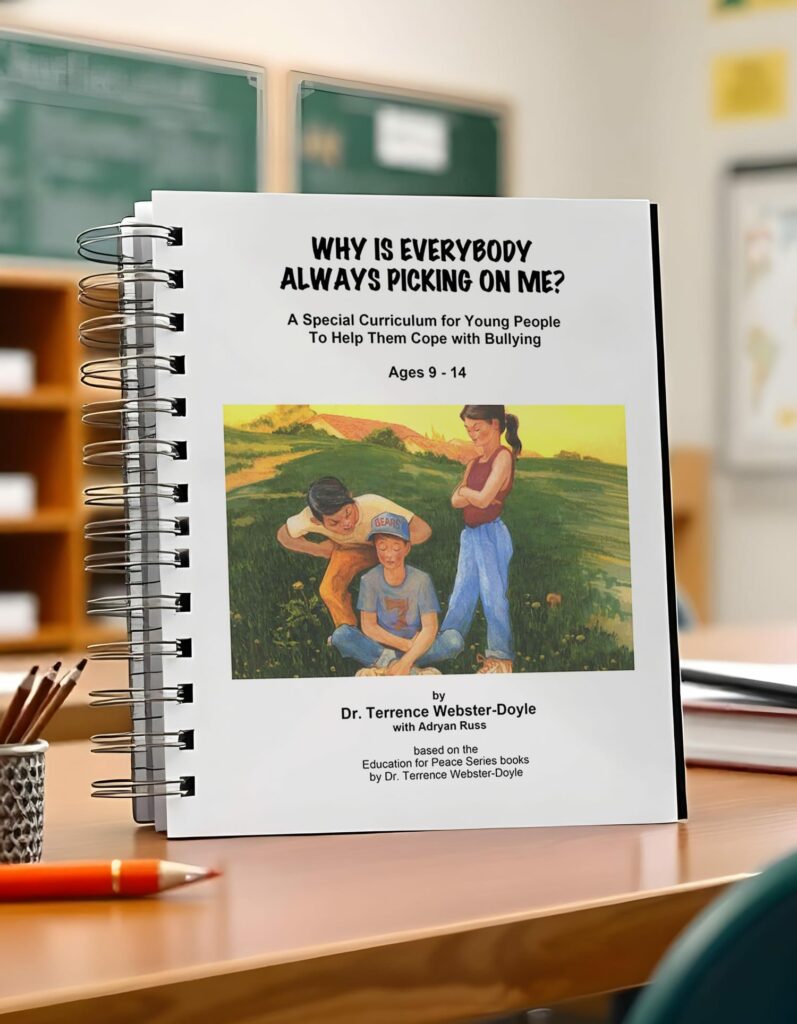
Why is Everybody Always Picking on Me? Curriculum
$0.00 -

Why Is Everybody Always Picking On Me? Workbook
$0.00 -

Why is Everybody Always Picking on Me? Book
$0.00 -
12 Ways to Act With Respect Curriculum
$0.00 -
12 Ways to Walk Away with Confidence Curriculum
$0.00 -
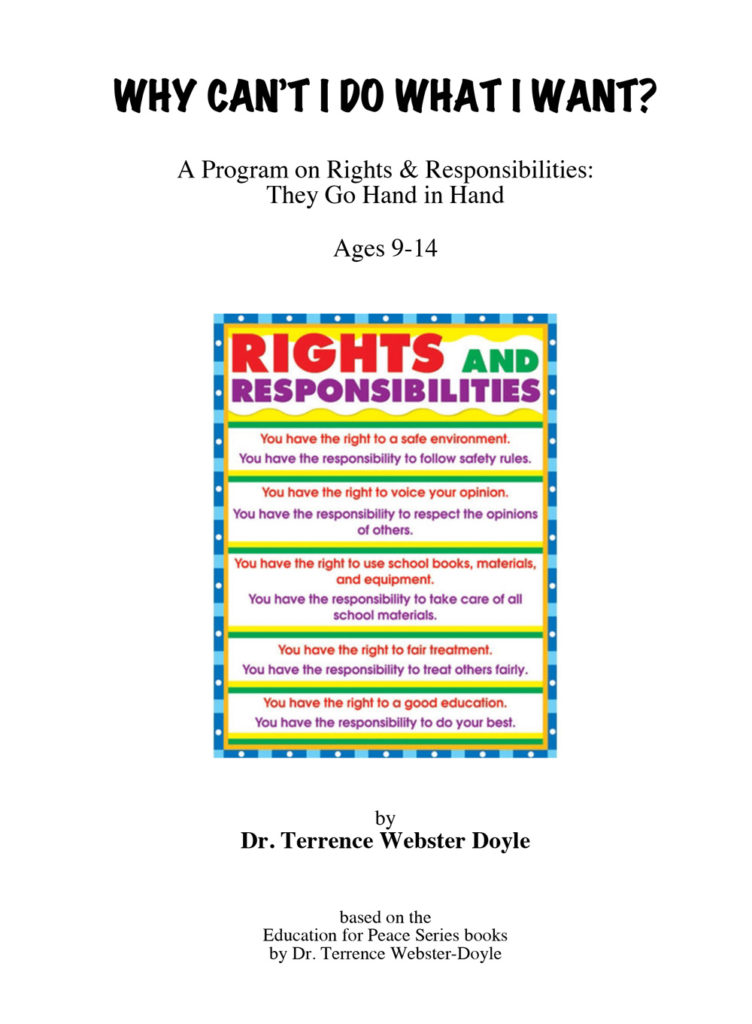
Why Can’t I Do What I Want? Curriculum
$0.00 -
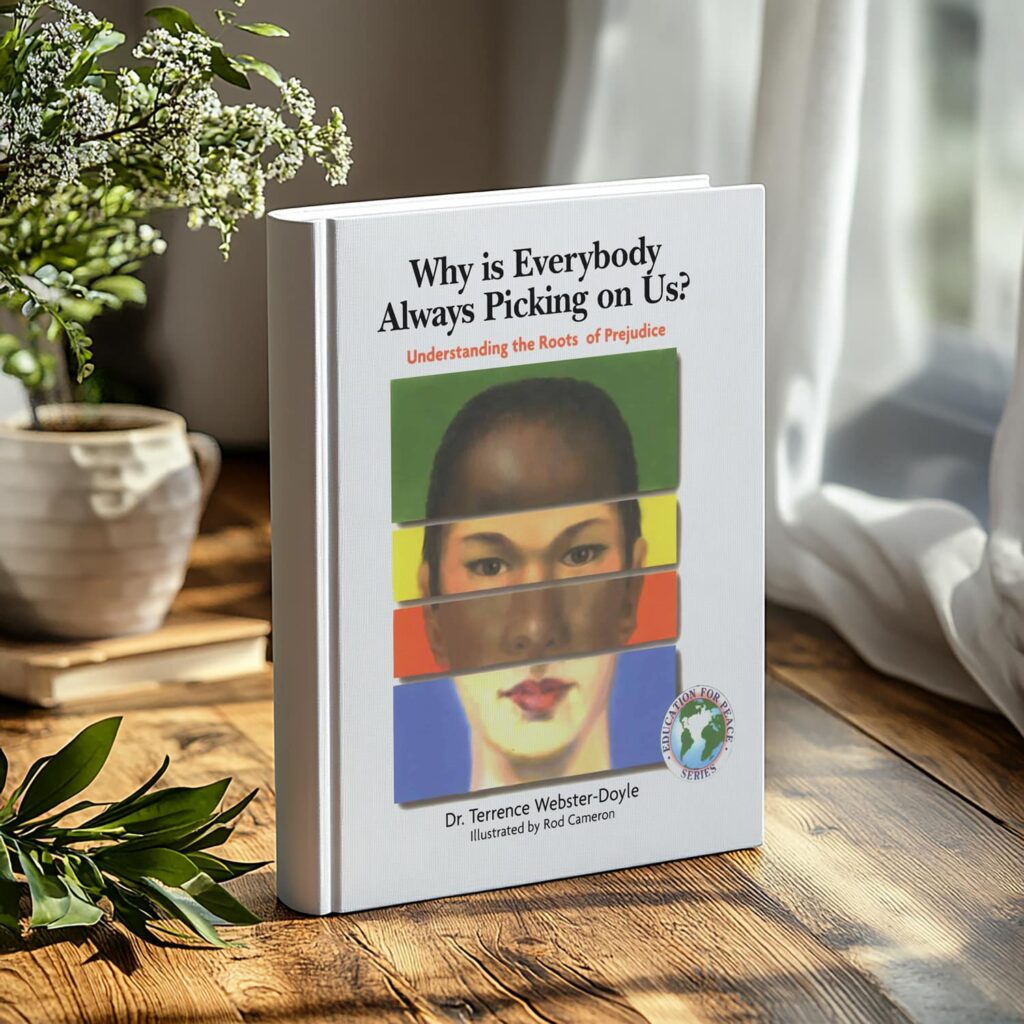
Why is Everybody Always Picking on Us? Book
$0.00 -
Why Do We Bully? Curriculum
$0.00 -
The Complete Bully Busting Program
$0.00 -

Why Am I Always Picking on Myself? Curriculum
$0.00 -
Defeat The Bully Without Fighting Curriculum
$0.00 -

Why is Everybody Always Picking on Us? Workbook
$0.00