How Student Mentorship Programs Build Stronger Schools
Older students can have a surprising amount of influence on younger students. A fifth grader may look at an eighth grader as someone who already knows how school works and has figured out things they’re still struggling with. To an adult, a few years might not seem like much of an age difference. To a child, it can feel enormous.
Student mentorship programs give schools a chance to put some purpose behind that relationship. Older students step into a role where younger children can learn from them, but the experience isn’t only about the younger students. Being responsible for someone else can change the way a student thinks about their own behavior, too.
Why Learn From an Older Student?
Think about how differently a child might respond to advice from a teacher compared with an older student.
A teacher can explain how to handle a friendship that’s gone wrong. An older student might remember going through almost the exact same thing two years ago.
They don’t need to pretend they have everything figured out. What matters is that the experience still feels familiar enough that they can understand where the younger student is coming from.
There’s another side to that relationship as well. Younger students are already watching the older kids in their school. Giving those older students a meaningful role allows them to show what leadership can look like in everyday situations.
Mentors Are Learning at the Same Time
We tend to think about mentorship in terms of what the younger child receives, but teaching something forces you to understand it differently.
A student can sit through a lesson about conflict without thinking much about how it applies to their own life. Ask that same student to lead a younger class through the lesson, and suddenly they need to think more carefully about what they’re saying.
Questions come up. Activities don’t always go as planned. A younger student might share something the mentor wasn’t expecting, and the mentor has to slow down and listen. These are part of learning how to lead.
This can also give students who aren’t normally drawn to traditional leadership roles a chance to surprise themselves. Some students may never want to give a speech in front of the school, but put them with a small group of younger children and they settle into the responsibility naturally.
Student Mentorship Through MAP STARS
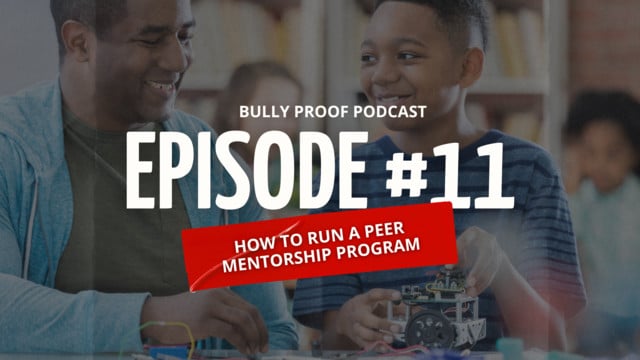
Our MAP STARS program is built around older students working directly with younger classes. Rather than asking teachers to lead every lesson, student mentors take an active role while staff remain available when they need support.
The mentors aren’t expected to become experts before they begin. They have material to guide them and room to become more comfortable as they go.
For younger students, it means learning from someone they may already look up to. For the mentors, it means being trusted with a responsibility that has an effect on someone besides themselves.
Over time, those relationships can reach beyond the lesson. The younger student who recognizes their mentor in the hallway now knows another older student in the school, while the mentor knows that someone younger is paying attention to how they act.
That’s where student mentorship becomes particularly valuable. The lesson may only take up a small part of the school day, but the relationship doesn’t necessarily end when everyone leaves the classroom.