How to Help a Child Who Bullies Change Their Behavior
When a child is bullying other students, stopping the behavior has to come first. But if we want that behavior to change in the long term, we also need to understand what may be happening underneath it.
In this episode of the Bully Proof Your Child podcast, we read Chapter 6 of Dr. Terrence Webster-Doyle’s Why Is Everybody Always Picking on Me? A Guide to Handling Bullies. The chapter explores how feelings of anger, rejection, or powerlessness can sometimes lead a child to hurt someone else, creating a cycle that can be difficult to break.
So how do we help a child who bullies without excusing what they’ve done? The chapter looks at how awareness and role-playing can help students recognize their reactions before acting on them, giving them a chance to practice a different response.
Podcast Transcript
How Bullies Can Become Winners
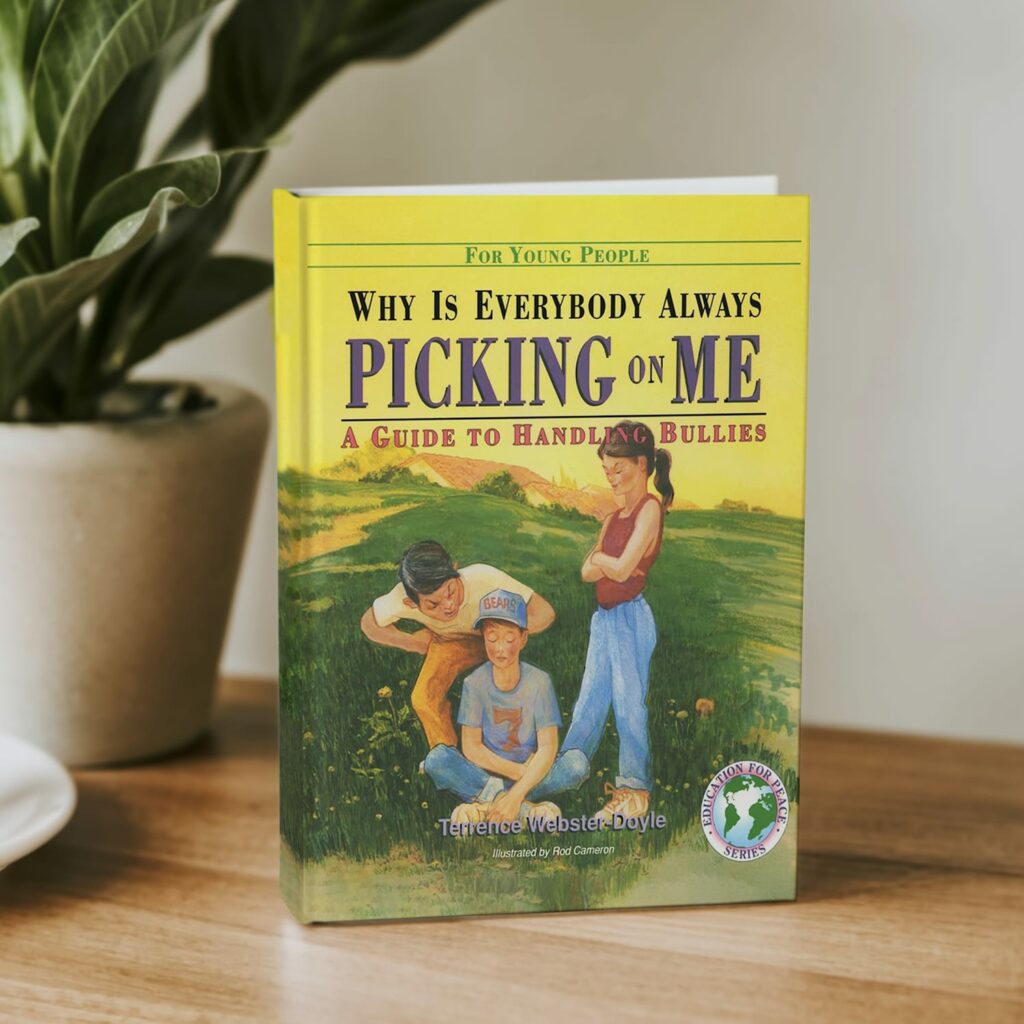
Today, I’m reading Chapter 6 from our book, Why Is Everyone Always Picking on Me? A Guide to Handling Bullies, written by Dr. Terrence Wiltshire Doyle.
Chapter 6 is called How Bullies Can Become Winners.
Understanding the Feelings Behind Bullying
Have you ever felt anxious or worthless? Out of control or ridiculed? Hurt, ashamed, or humiliated? Insecure, enraged, rejected, or ambitious? Pressured to conform? Pressured to compete? Scared? Helpless or powerless? Unfairly punished or harassed? Vengeful or angry? Frustrated? Lonely? Unloved or violent? Greedy? Afraid of not making it? Afraid of not living up to the expectations of others?
In other words, have you ever felt that everybody is picking on you?
Well, if you have had these feelings, then guess what? You have felt like a victim, and you have felt like a bully.
The Bully and Victim Connection
The desperate feelings I just said are feelings shared by both bullies and victims. The painful thought of, “What did I do to deserve this?” is a thought that has entered the minds of both the bully and the victim the bully picks on.
The Vicious Cycle of Bullying
What happens then is a vicious circle.
The bully who picks on someone else also feels like a victim, someone who has been picked on. Bullying is a lose-lose situation.
We all want what we want. This is neither good nor bad. It’s just a fact. The problem begins when we try to push another person into doing what we want. This is bullying.
We might believe that if everybody thought and acted the way we do, the world would be a much better place.
We can think this as much as we want. There’s no right or wrong about it. The problem comes, however, when we try to force another person into thinking and acting the way we do. This is bullying.
Recognizing Bullying in Yourself
Have you ever bullied someone? I have. At times throughout my life, I’ve tried to get people to do things by pushing them and intimidating them.
This is called a win-lose situation. Somebody wins and somebody loses. If you have bullied someone in a situation like this, you may already know that it’s a lose-win game.
You may have the strength to bully someone and make them do what you want, but in the end, you’re not getting what you really want. That person may do what you want for the moment, but once you leave, they’ll just go back to being whoever they are. What you really need, real caring and real affection, you don’t get.
It’s really a lose-lose situation. Your victim loses self-esteem, and you lose self-respect. We all feel hurt, anger, hatred, and malice at times.
Our Best-Selling Resources
-
Why is Everybody Always Picking on Me? Curriculum
$0.00 -
Why Is Everybody Always Picking On Me? Workbook
$0.00 -
Why is Everybody Always Picking on Me? Book
$0.00 -
12 Ways to Act With Respect Curriculum
$0.00 -
12 Ways to Walk Away with Confidence Curriculum
$0.00 -
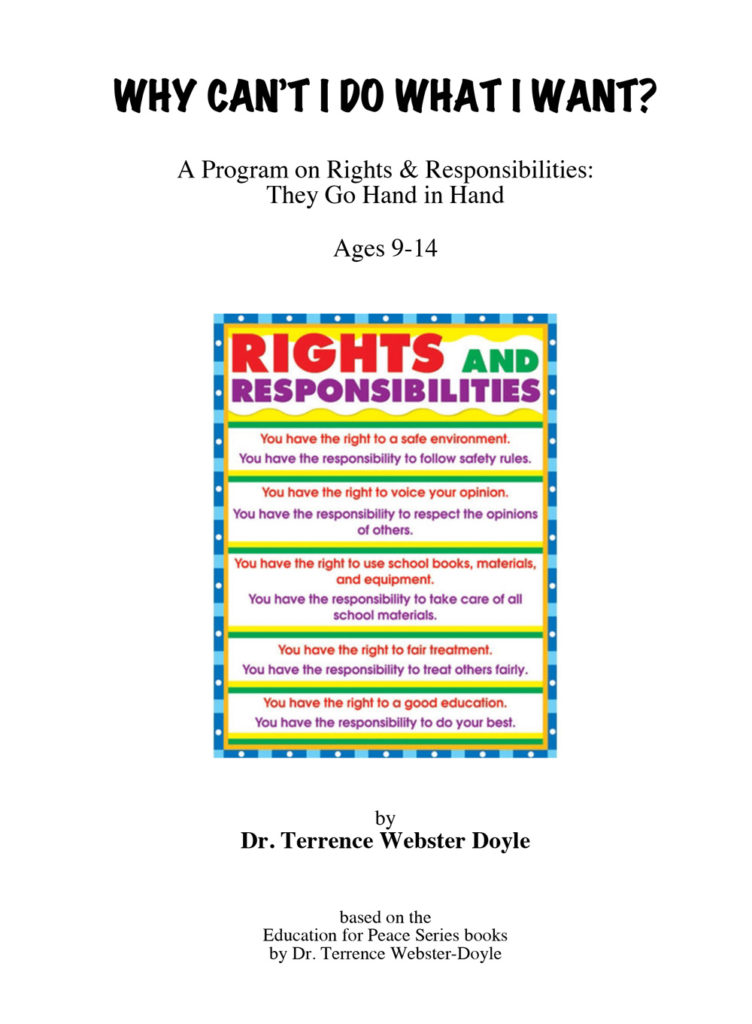
Why Can’t I Do What I Want? Curriculum
$0.00 -
Why is Everybody Always Picking on Us? Book
$0.00 -
Why Do We Bully? Curriculum
$0.00 -
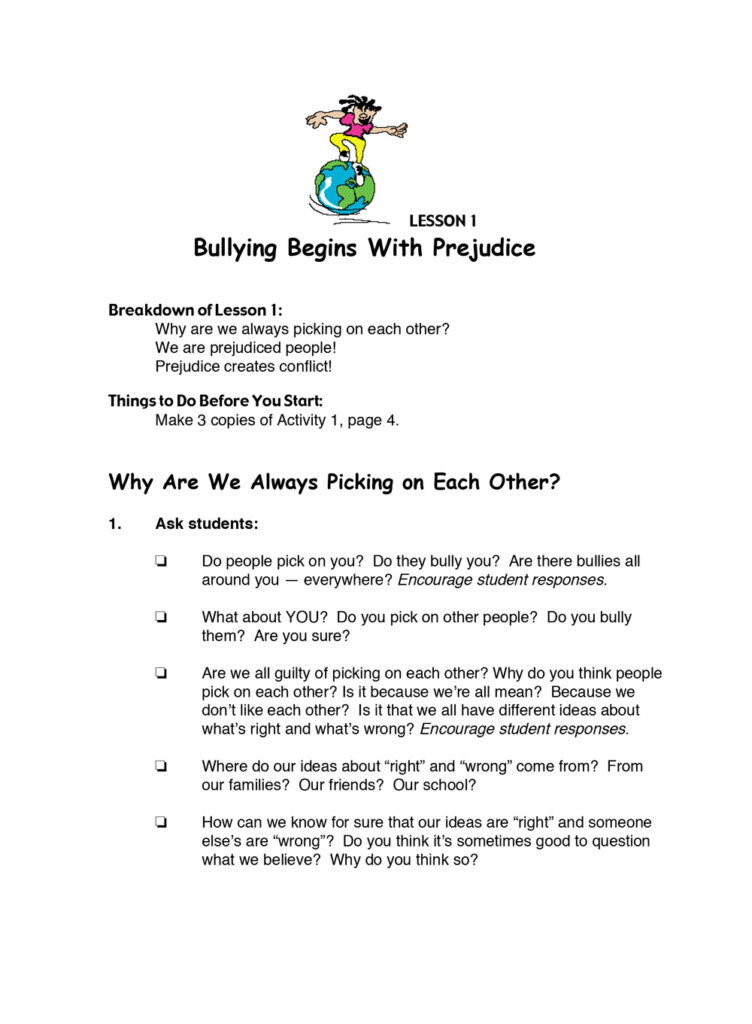
The Complete Bully Busting Program
$0.00 -
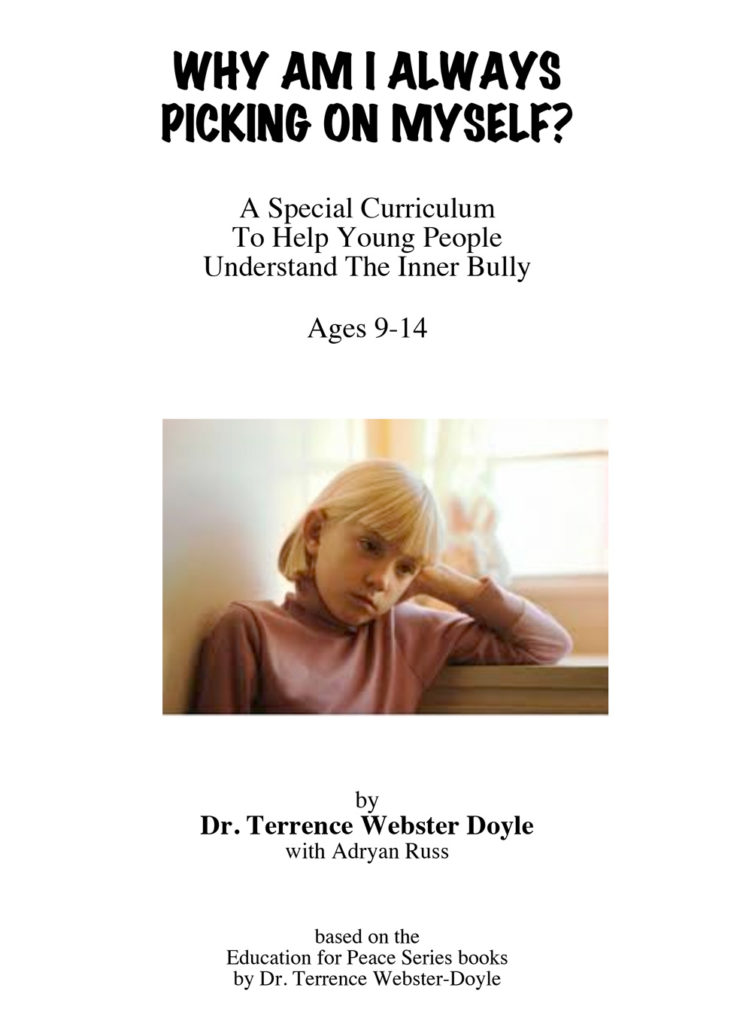
Why Am I Always Picking on Myself? Curriculum
$0.00 -
Defeat The Bully Without Fighting Curriculum
$0.00 -
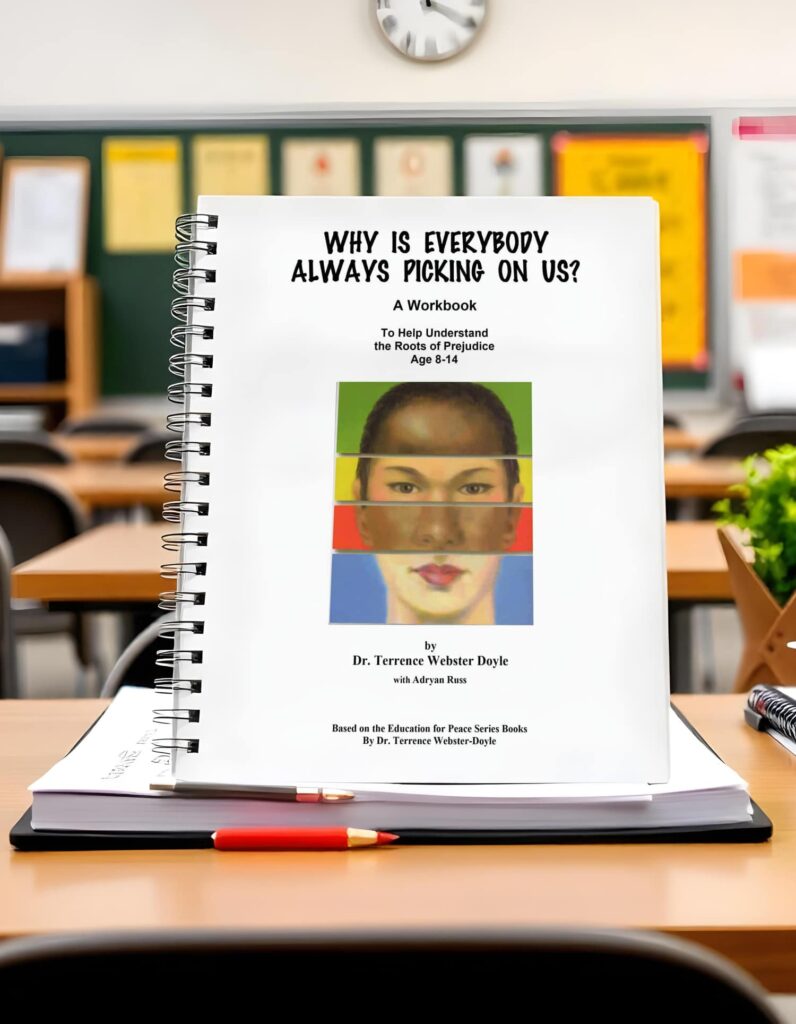
Why is Everybody Always Picking on Us? Workbook
$0.00
Choosing a Different Response
It’s not an easy world that we live in. It’s okay to feel that you would like to hurt someone, but it’s not okay to actually do it. As human beings with clear, thinking minds and respect for one another’s humanity, we have the responsibility to not hurt each other and to deal with our thoughts and feelings in non-violent ways.
Unfortunately, sometimes we step over the line and someone does get hurt. We’re not perfect. The most important thing to remember is to try, each time, to deal with your anger toward another in a non-violent way.
Even though you may slip and hurt someone, if your attention is there to not hurt, perhaps the next time you’ll be more alert and sensitive.
Practicing Peaceful Responses through Roleplay
I’m going to read out some role-plays that are only for bullies. These are role-playing exercises for acting out peaceful ways to win.
If you’re not used to being peaceful, these exercises may feel strange at first, but I know you’ll get the hang of them with a little practice. If you would like to download these role-plays, which is probably a little easier than listening to them, you can download the book in our show notes.
Roleplay #1
The bully’s alter ego: “Boy, I really feel like letting this kid have it. He’s acting like a crybaby.” The bully gets ready to punch the kid.
Now stop and think.
The bully’s second alter ego: “Yeah, but what good would it do to hit this mama’s boy? He’s just trying to get sympathy.” The bully unclenches their fist, and then says out loud, “Why are you acting like such a wimp? You’re just feeling sorry for yourself.”
Some questions to think about:
- How did it feel to get angry with the kid?
- How did it feel to almost punch him?
- How did it feel to let your fist go?
- And how did it feel to talk to the kid?
Roleplay #2
The bully’s first alter ego: “I know she’s better off than me. Look at those neat clothes and that super car her parents drive. I feel like giving her a hard time. She’s always showing off.”
Now stop and think.
The bully’s second alter ego says: “Yeah, but who cares anyhow? I don’t really like that type of dress. Maybe someday I’ll earn enough money to have fancy clothes. Why waste my time on this? I’ve got better things to do. She does look great though.”
Then the bully says out loud, “Hi Sarah, I like what you’re wearing. You look great.”
Some questions to think about:
- How did it feel to get angry with Sarah?
- How did it feel to want to give her a hard time?
- How did it feel to let go of your hostile feeling?
- And how did it feel to give Sarah a compliment?
Take some time to think about those questions, and we’ll go on to role-play number three.
Roleplay #3
The bully’s first alter ego says: “I know he bumped into me on purpose. I’ll show him.” The bully gets ready to punch the other person.
Now they stop and think.
The bully’s second alter ego says, “He apologized, said it was an accident. Look at the look on his face. He’s afraid of me.” The bully relaxes, and then says out loud, “Okay, I accept your apology. Accidents happen. Just be more careful next time.”
Some questions about this one are:
- How did it feel to get bumped into?
- What memories came to mind when you got bumped?
- Did the apology sound sincere?
- What did the fear in his face tell you?
- How did it feel to accept his apology?
Again, take some time to think about these questions before we go on to role-play number four.
Roleplay #4
The bully’s first alter ego thinks, “What a stuck-up kid she is. She won’t even look at me. I think she’s too good for me.”
Now they stop and think.
The bully’s second alter ego says, “Okay, she’s stuck up. Why should I let that get to me? I’m okay. I don’t need to walk around with my nose in the air.”
So the bully says out loud, “You know, I think you’ve got a problem. How come you’re so stuck on yourself? You know, you could have more friends if you weren’t so conceited.”
Some questions to think about for this are:
- How did you get the thought that she was too good for you?
- How did it make you feel to think of her as stuck-up?
- What made you take your focus off her and see yourself as okay?
- How did it feel to tell her that she has a problem?
- Do you want to be friends with her?
Think about these questions for a moment.
Roleplay #5
The bully’s alter ego thinks, “What a nerd. Look at that jerk’s jacket full of inky pens and scraps of paper. What a brain. Maybe I’ll knock his squeaky bike over.”
Now they stop and think.
The bully’s second alter ego says, “Hey, he could help me with my math. He’s a real whiz at it.”
So then the bully says out loud, “Listen, maybe you could do me a favor. Maybe I could do one in return. I’m good at working on bikes. You’re good at algebra. Maybe we could trade.”
Some questions to think about for this role-play are:
- How did it feel to want to push the kid around, put him down, and knock over his bike?
- What happened inside of you when you stopped and thought?
- How did you feel when you remembered he’s got a sharp brain for math, your weakest subject?
- How did it feel to express an interest in working with him instead of pushing him around?
Again, take some time to think about these questions before we move on to role-play number six.
Roleplay #6
The bully’s alter ego thinks, “What a weakling. She can’t even do one chin-up.”
Now they stop and think.
The bully’s second alter ego thinks, “I guess that’s not her thing. I wouldn’t want to be that skinny, but I guess that’s her business.”
The bully says out loud, “Hey, bones, just kidding. Need help with your training? Let me give you a couple of tips. Honest, come over here and I’ll show you how to be superwoman in no time. I’m serious. There’s hope for those bony biceps.”
Some questions to think about are:
- How did it feel to want to call her a weakling?
- What thought went through your head when you went from putting her down to sympathizing with her?
- How did it feel to kid her?
- How did it feel to offer her help?
- How did it feel to make the situation humorous?
Changing Your Thinking & Learning to Handle Anger
These are a few examples of what can run through your head and what you can do to change your negative thinking to positive thinking. The point to remember is that although you may think and feel like bullying someone, you don’t have to.
You have the power to turn your thinking around. Sometimes doing it takes more strength than bullying. There are times when we all feel hurt and times when we all want to strike out, but if we stop and think, we can find peaceful ways to behave and still get what we want.
And if you feel angry, talk to someone. Tell them how you feel. It’s okay to feel, no matter what the feeling is. If your brain is full of revengeful thoughts, share them with a trusted friend. Sometimes just talking can help relieve the tension created by hurtful or fearful thoughts and feelings.
There are people around you who care and want to help. You’re not bad or wrong, but you may need to make some changes so you can feel better. It may seem tough at first, but you can do it.
Breaking the Cycle of Bullying
Millions of people who grow up in terrible situations and become bullies learn how to outgrow it. They understand that the way out of it is a new way into their own minds, a different way of looking at things, and a real desire to change.
What You Need to Change
Here are some things that you need to change your behavior.
- You need an interest in wanting to change, an energy that inspires a feeling of wanting to act.
- You need commitment to carry it through.
- An awareness of what is happening.
- You also need the skills that provide the ability to change and alternatives for acting differently.
Do you have any of these qualifications? If you’re a bully, or if you’re someone who has been bullied, you can change and do things that will help you.
Simple Ways to Start Changing
Here are a few suggestions.
You can talk to your parents about what you feel. Request a family time when you can all share your lives together. Think and talk about ways you can get what you want without hurting other people, and practice these ways.
Appreciate who you are and praise yourself for doing things you feel proud of. Instead of teasing your friends and family, help them. Communicate in ways that make you feel good and make others feel happy. Find friends who support the positive sides of yourself.
Watch healthy, non-violent TV programs. Play video games that make you feel creative and peaceful. Many of them are even more exciting and challenging than the violent ones. Be selective in choosing movies to see.
Read books, magazines, and comics that make you think, laugh, or cry. There are thousands that are interesting and fun that make you feel cooperative instead of aggressive.
Building Confidence Without Fighting
Learn how to speak in a way that promotes understanding and cooperation. Find ways to build up your confidence so you don’t have to fight out of fear to defend yourself or to get what you want. Realize that fighting is not a healthy means of getting what you want.
Get help if you need it from a qualified professional, such as a teacher, counselor, school administrator, or psychologist. No matter how strong we are, sometimes we simply need help.
You Can Change
And please remember, out of all of this, that you can change. You just have to want to. It’s really up to you, with a little help from your friends and family.
So that’s the end of Chapter 6. This one was really focused on helping bullies. If you would like to download the whole book, you can do so here.