Conflict Education in South-East Asia & Nepal
Imagine a world where children are denied the right to read and learn. A world where they are left vulnerable to misinformation and manipulation. This is the reality for more than half of the children aged 5-16 in rural Himalayan villages.
In a place where ongoing tensions threaten peace, education is the key to breaking the cycle of violence. But without access to quality education, these children are at risk of being brainwashed by forces that incite conflict. Youths from Asia are migrating to Europe or gulf countries to work unskilled, difficult jobs and leaving their home because they believe they have no other options.
Over the past few years, the Atrium Society has worked with Rajib Timalsina who is a professor of Peace Education at Tribhuvan University in Nepal and leader of the Asia-Pacific Region at the International Peace Research Association.
This young man is extremely dedicated to peace education and helping adults and children live free of psychological and physical conflict.
Rajib teaches and travels extensively throughout Asia, bringing the Atrium Society’s BioCognetic peace education to the most vulnerable and in-need, such as:
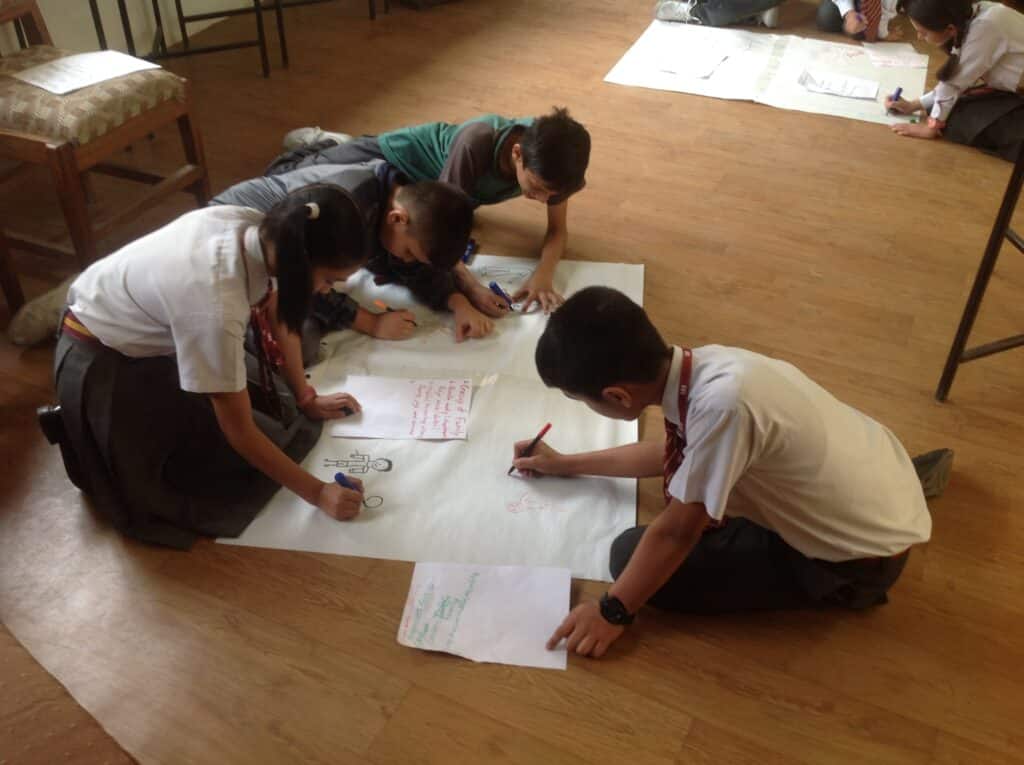
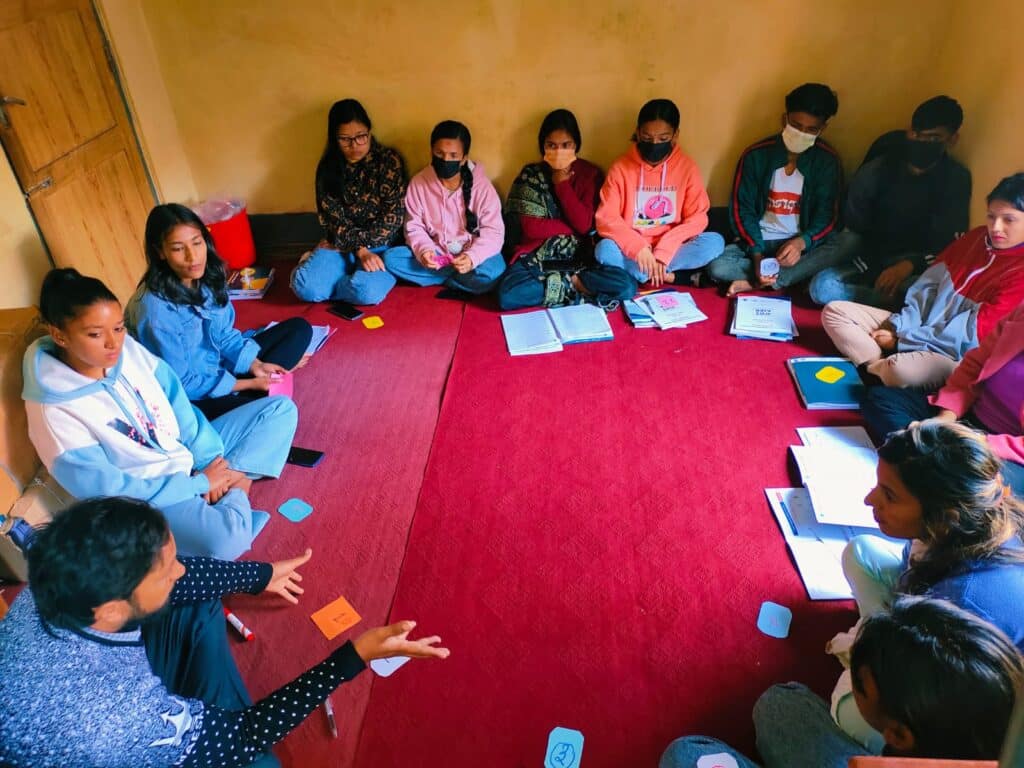
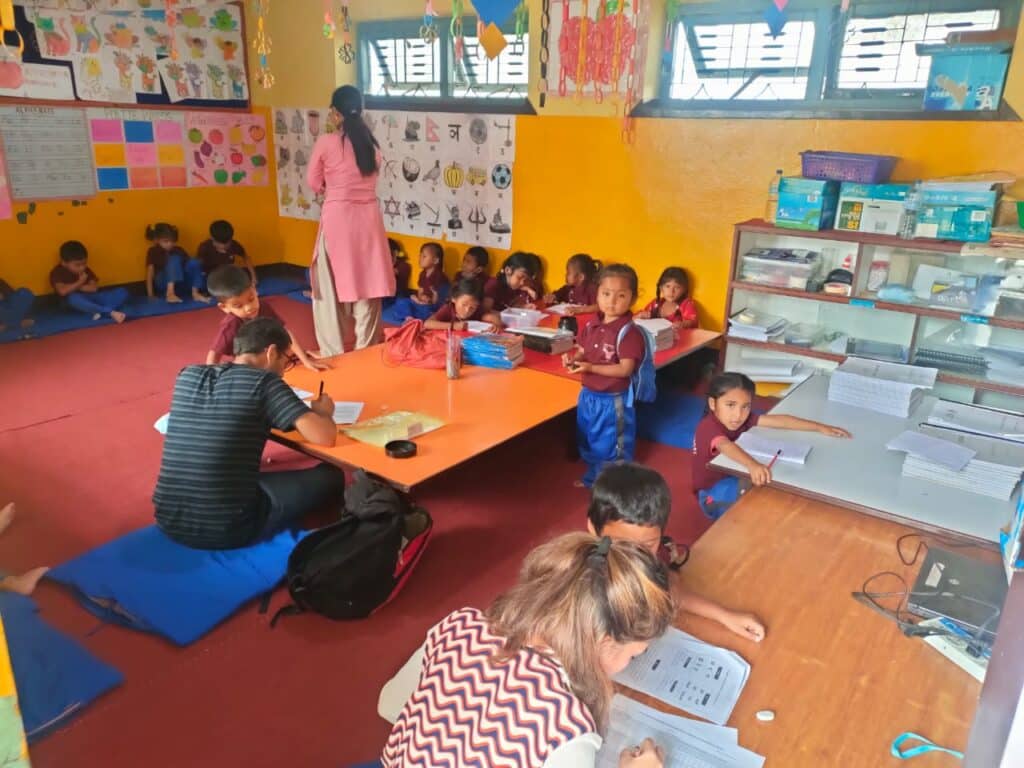
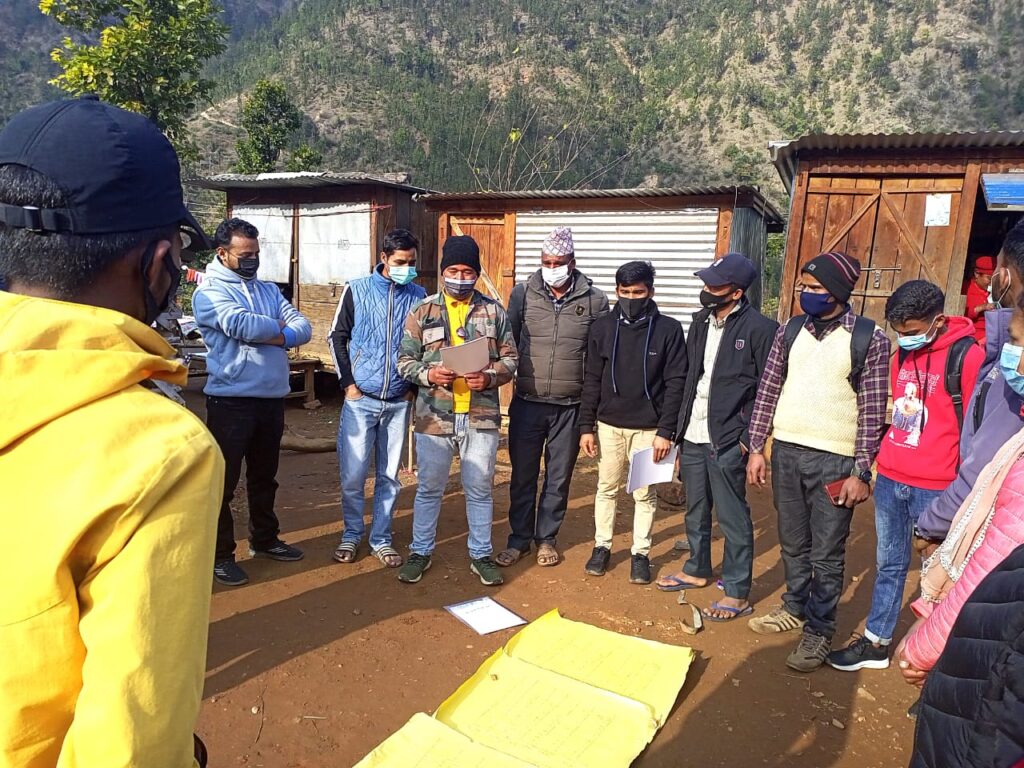
Rural Himalayan villages in Nepal
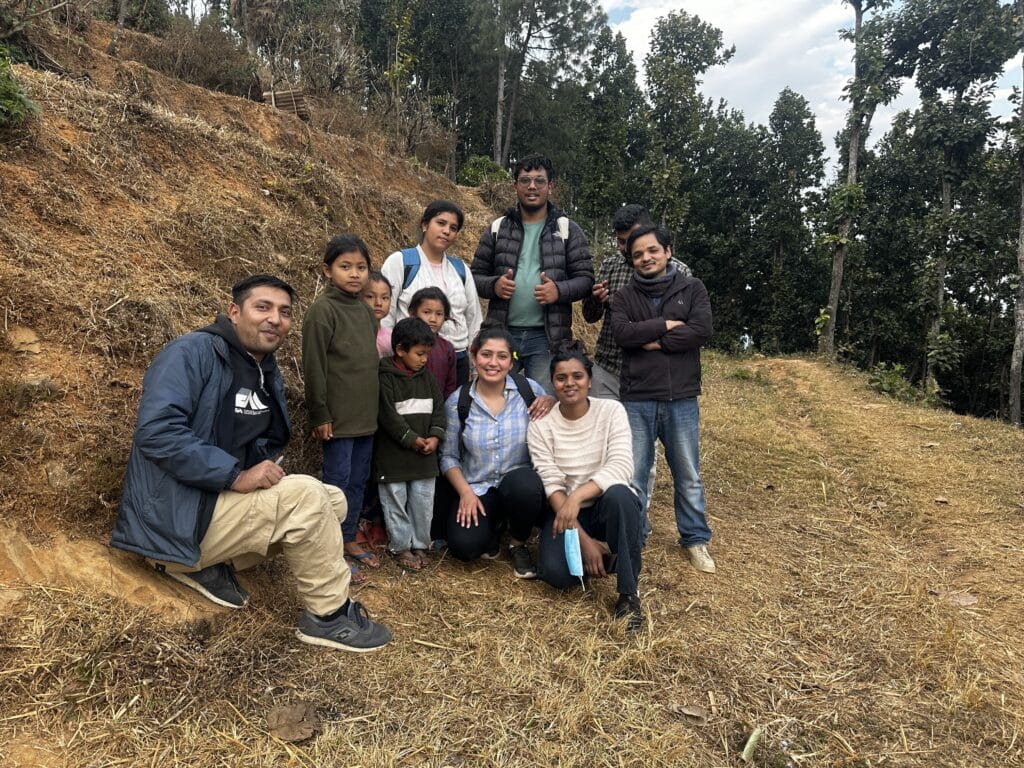
Over 80% of Nepal is mountainous which makes travel very difficult; many of these rural villages are inaccessible by road. They don’t have proper internet and many people are illiterate due to their isolation.
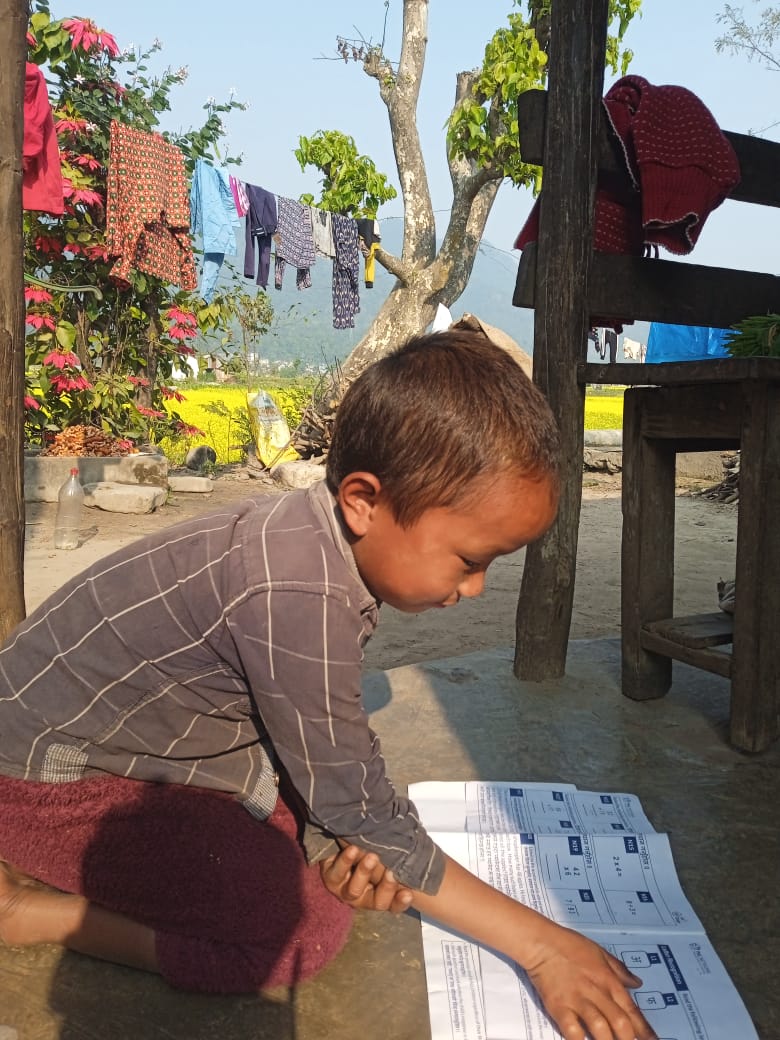
More than half the children can’t read which makes it easier for them to be manipulated.
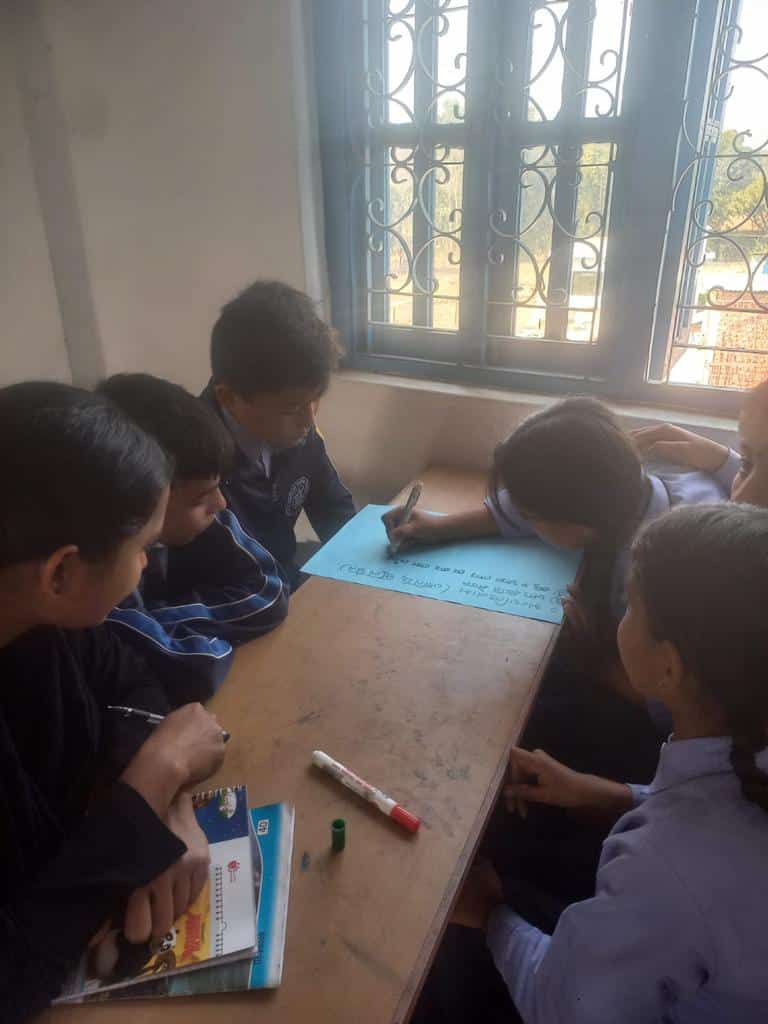
Classrooms are often run through violence, humiliation, and punishment. Rajib works with teachers to create peaceful, dignified classrooms where children can take part in BioCognetic peace education.
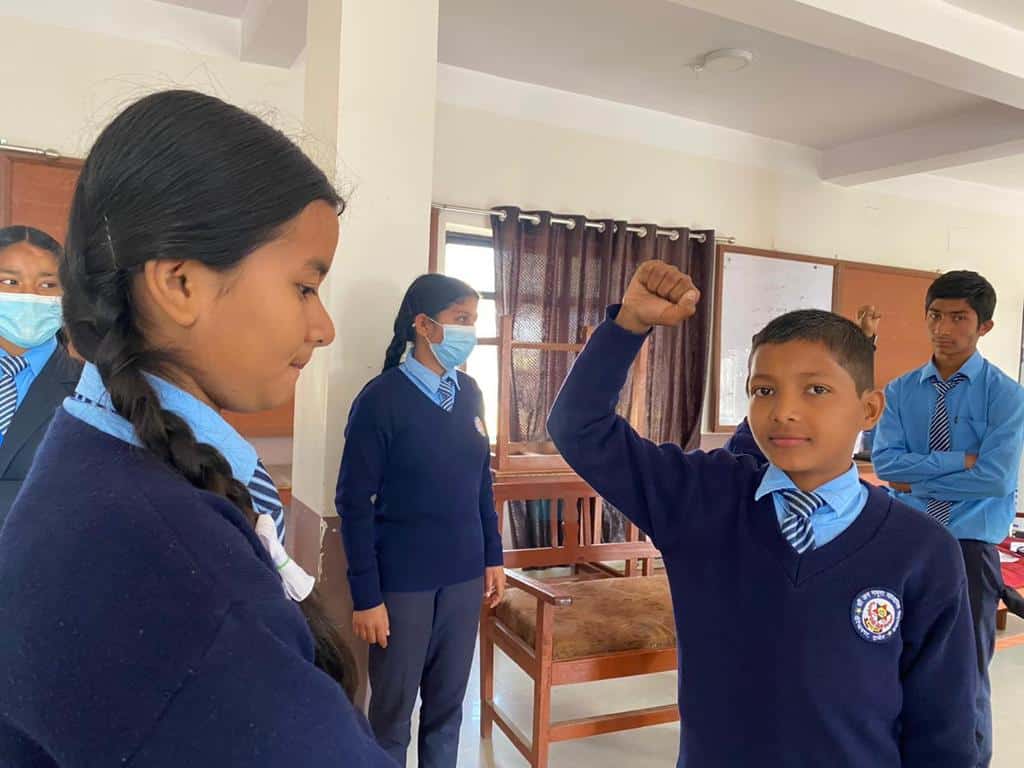
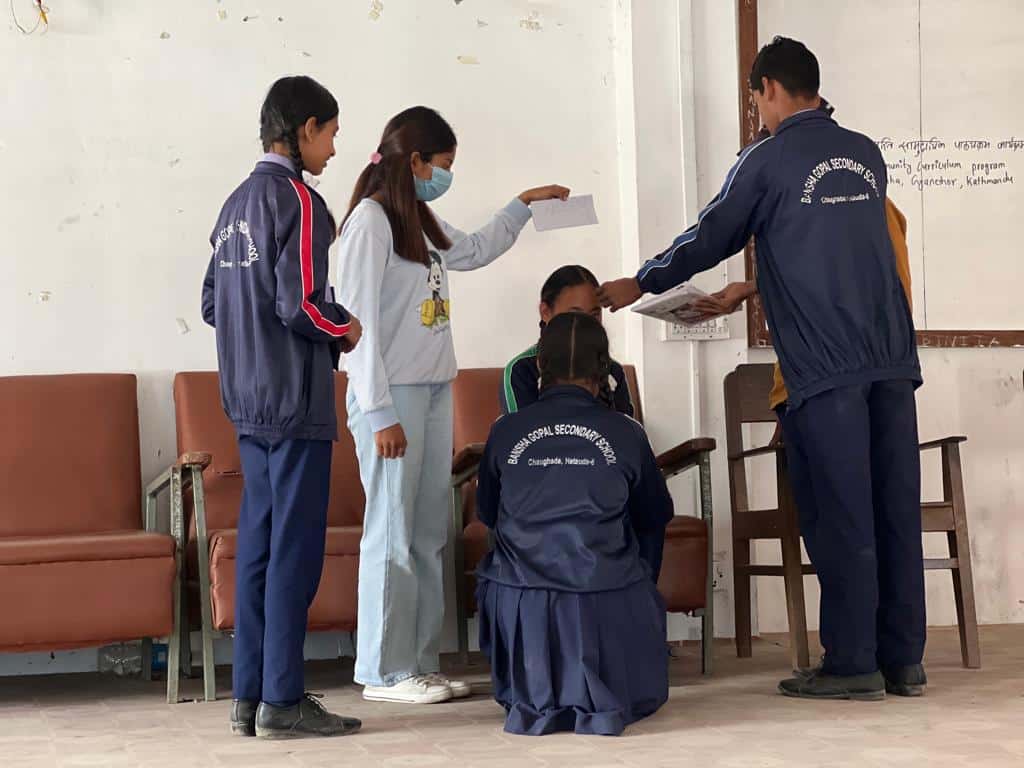
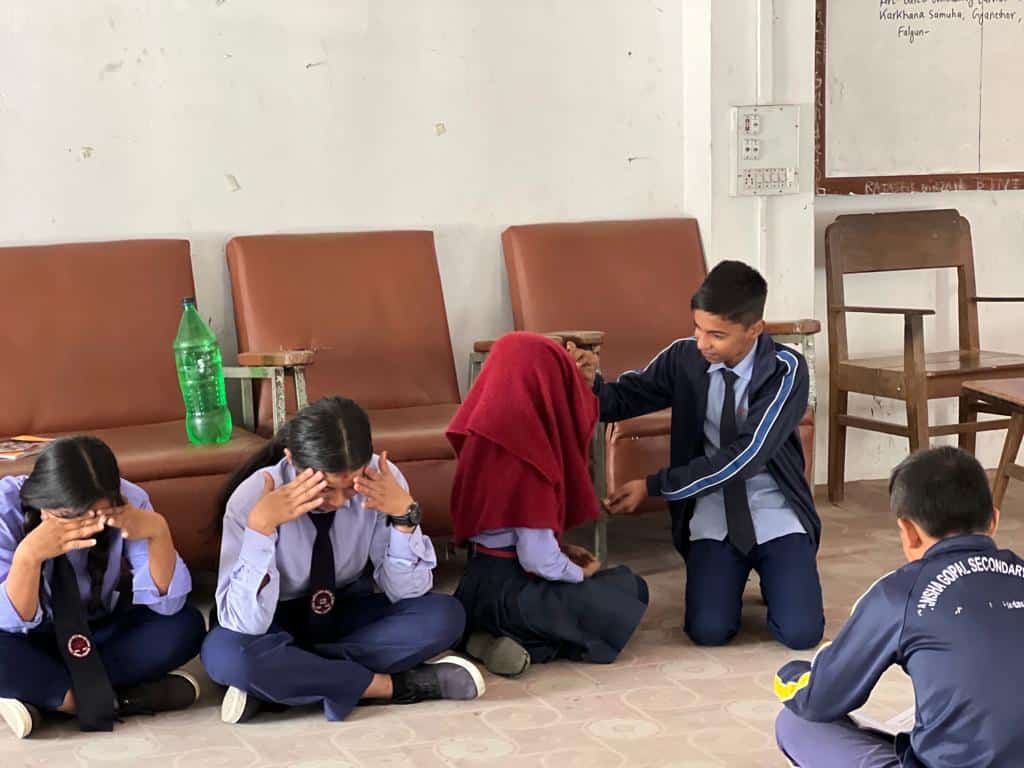
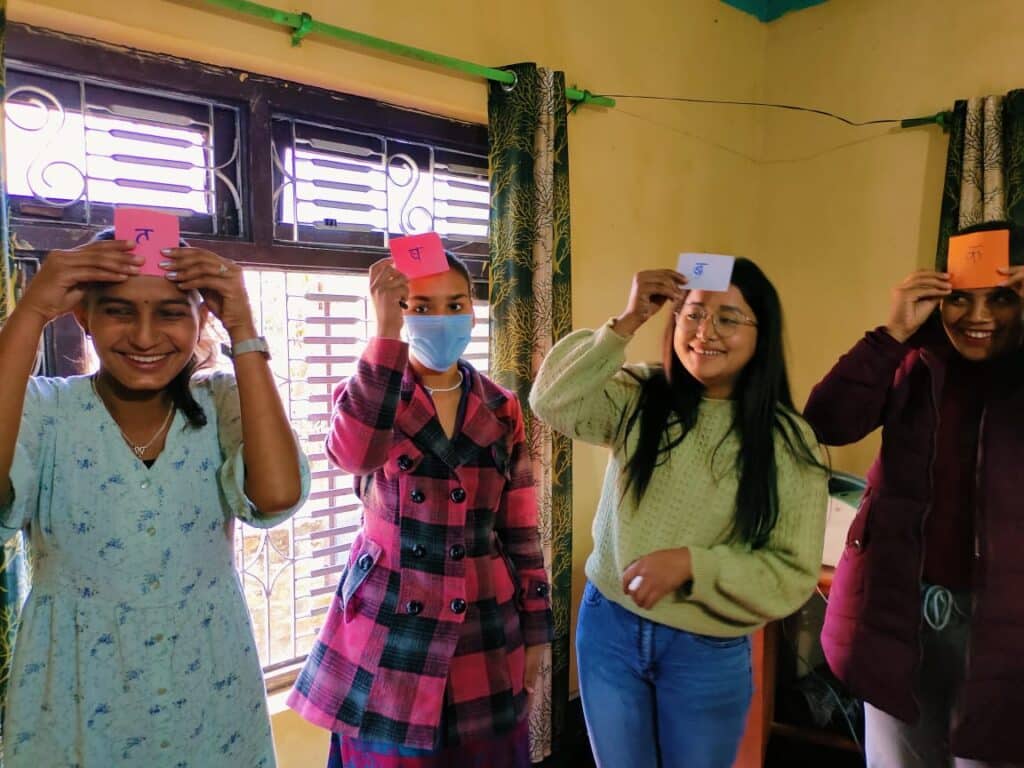
Armed conflict-ridden areas such as Sri Lanka and northern India
Thousands of young people are armed and have been militarily trained for decades.
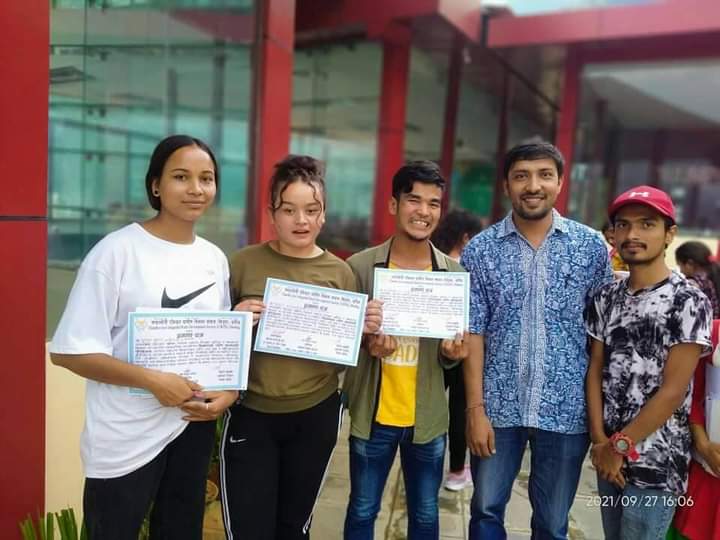
Rajib travels to and works with local universities and organizations to provide BioCognetic peace education through Atrium Society resources, dialog, and bringing people together.
This education helps them understand and process the horrors they’ve experienced, as well as move forward with healthy, non-violent resolution options and heal.
Young women and “untouchables” throughout Nepal and Asia
These areas are very patriarchal and it can be dangerous to address systemic gender and caste issues directly; young women are suffering and desperately want to leave Nepal because they believe they don’t have a future in their country.
Rajib works to empower young women and untouchables through peace and psychological conditioning education, advocacy, and supportive programs with the assistance of Atrium Society’s programs.