Is Human Conflict Hardwired Into Our Brains?

Why do humans continue to engage in conflict, even when the consequences can be devastating? Is violence something we learn from the world around us, or could it have deeper roots in our biology?
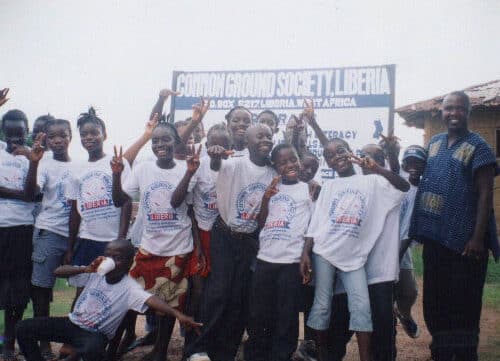
Drawing on Atrium Society’s work with children affected by war in Liberia, Dr. Terrence Webster-Doyle explores his perspective on the relationship between psychological conditioning and the human brain’s primitive survival instincts.
The following essay presents his reflections on why conflict persists and how deeply rooted patterns of thought may influence human behavior.
Essay: Psychological Conditioning and Human Conflict
Our preliminary inquiries into the cause of human conflict through our work with Liberian children of war for over seven years revealed at first that these young combatants’ brains had been psychologically conditioned to fight people they were told were their enemies because of years of political and economic propaganda.
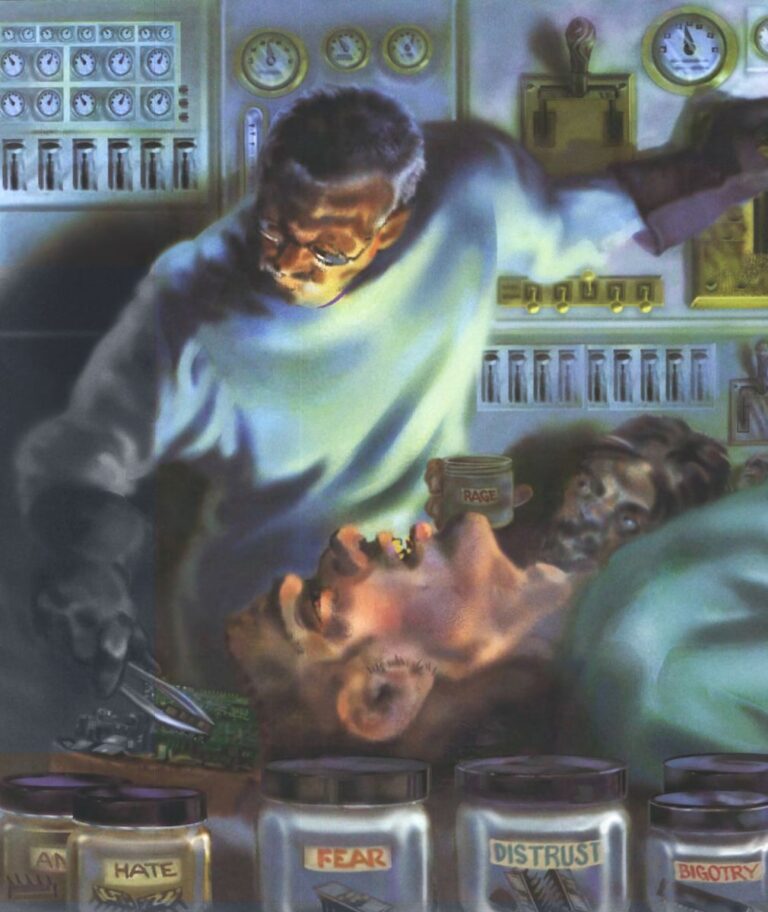
Later, as our work progressed, we discovered that there was a far deeper, biologically primitive impulse built into their brains, and hence in all human brains, that was the root cause of conflict.
In other words, the biological brain was the source of conflict. It was what creates the divisive psychological conditioning.
This biological, instinctual drive has been rooted for eons in the primitive human brain being hardwired for war as a genetically programmed survival instinct – that combat is in our DNA and demands to be exercised. But it is misguided, and hence it is therefore preventing survival.
The extreme outcome of this genetically erroneous, hardwired compulsion to war can be called “genetic genocide.”
Understanding the Origins of Conflict
In this essay, Dr. Webster-Doyle connects his experiences with children affected by war to his broader philosophy that the roots of human conflict begin within ourselves.
His work in conflict education focuses on understanding these conditioned responses and recognizing how they influence our relationships with others.
Explore Brave New Child: Liberia to learn more about Atrium Society’s work with children affected by war.